

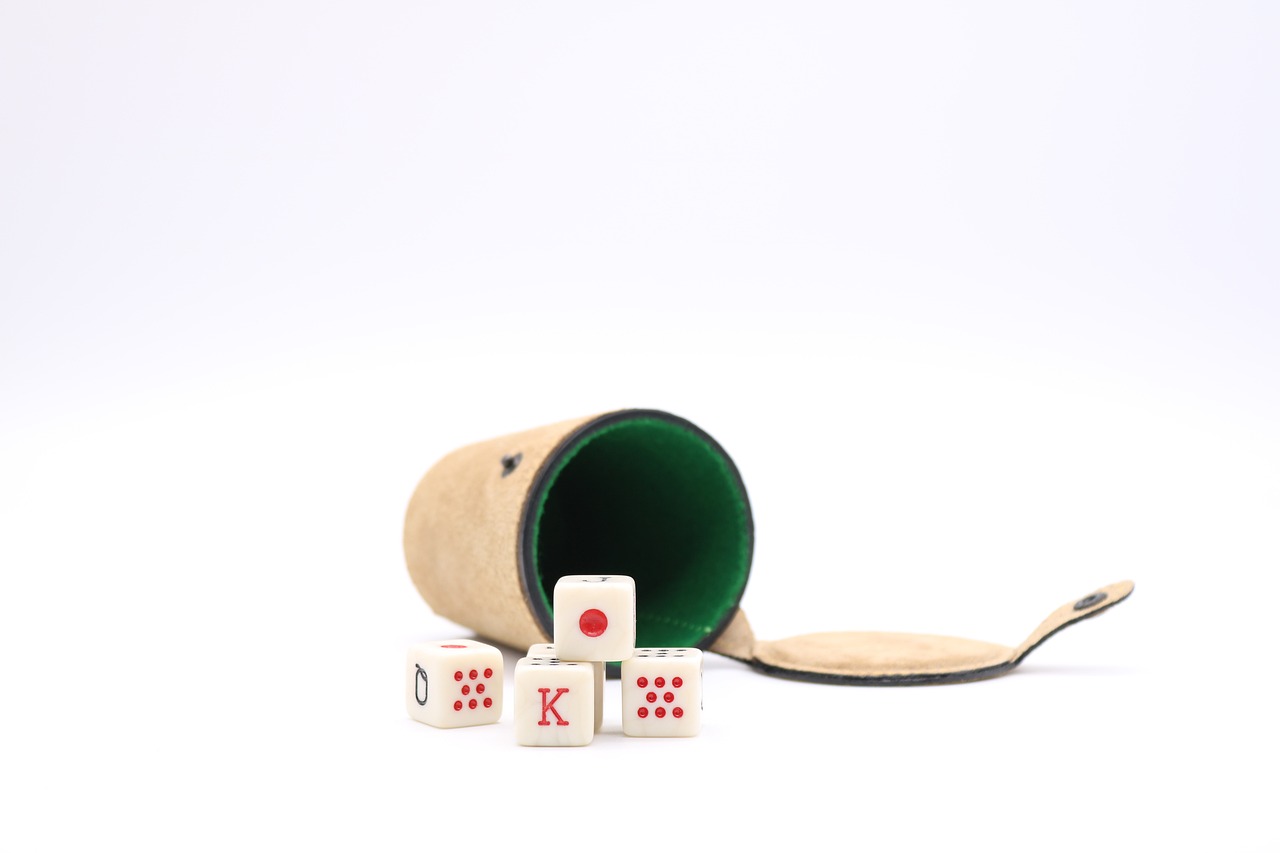
There is a reason the phrase "the house always wins" has survived for centuries. It is mathematically true over infinite time, but gambling is not played over infinite time. It is played in sessions, and in sessions, players sometimes walk away ahead. That distinction is where the entire iGaming industry lives. The difference between a casual player and a frustrated one usually comes down to understanding a few mechanics that casinos do not put on the welcome banner.
Whether you are spinning slots at 3 a.m. or grinding a poker table on a Sunday afternoon, the same principles apply. Here is what actually matters.
Understanding House Edge Is Not Optional
Every game in a casino, online or brick-and-mortar, carries a mathematical advantage for the operator. That is not a conspiracy; it is the business model. What varies wildly is how large that edge is.
- Blackjack with basic strategy: roughly 0.5% house edge
- Baccarat (banker bet): around 1.06%
- European roulette: 2.7%
- American roulette: 5.26% (the extra 00 pocket hurts)
- Slots: typically 2% to 10%, and often closer to 8-10% on progressive jackpot machines
Notice the pattern. Games where skill matters have lower edges. Games of pure chance, like slots, tend to have higher ones because they require no decision-making and the operator needs to pay for the entertainment experience. If you play blackjack like you play roulette, you have already handed the house an extra 2-3%. สล็อตเว็บตรง goes into the finer points.
Slots: Volatility Matters More Than RTP
Return to Player (RTP) is the number most players obsess over. A 96% RTP slot sounds better than a 94% one, and mathematically, it is. But RTP is calculated over millions of spins. In a single session, a 96% RTP slot with extreme volatility can drain your balance faster than a 94% low-volatility machine.
Think of volatility as the personality of the slot. Low-volatility games pay small amounts frequently. High-volatility games pay rarely, but when they do, the payouts can be massive. Neither is "better." They suit different bankrolls and temperaments.
A few concrete tips that actually move the needle:
- Check the RTP before you play. It is usually listed in the game's help screen. Anything above 96% is solid.
- Match volatility to your bankroll. If you have 50 units to play with, high-volatility slots will wipe you out before the bonus hits. Choose low or medium volatility.
- Understand that bonus features are where the money is. Base game wins are usually modest; the real payouts hide in free spins and multiplier rounds.
- Avoid chasing. The slot does not know you lost 100 spins in a row. Each spin is independent.
Poker Is Not Gambling in the Same Way
This is a hill worth dying on. Poker, specifically Texas Hold'em and Omaha, is a game of skill played with cards. The house does not compete against you; it takes a rake from the pot. Your opponents are other players, and in the long run, the better player wins. That is fundamentally different from roulette or slots.
That said, the skill differential at online poker tables can be brutal. Table selection matters more than any hand you will ever play. Sitting at a table full of professionals because you want to test yourself is not bravery; it is a donation.
- Bankroll management: Never buy into a cash game for more than 5% of your total poker bankroll.
- Position: Playing tight from early position and looser from the button is not optional.
- Tilt control: The second you start playing emotionally, you are no longer the favorite.
Modern poker also means software. HUDs, tracking tools, and solvers have changed the game. In regulated markets, using real-time assistance is cheating; using them for study between sessions is standard. The players who improve fastest are the ones who review hands away from the table.
Bonuses and Promotions: Read the Fine Print
Welcome bonuses are marketing. They are not free money. The typical structure is a deposit match with a wagering requirement attached.
Example: a 100% match up to $500 with a 40x wagering requirement means you must bet $20,000 before withdrawing any bonus-related winnings. On slots, that might take 100 hours of play at $0.50 per spin. On blackjack, the game usually contributes only 10-20% toward wagering, making the requirement effectively 200x or higher.
Useful questions to ask before claiming any bonus:
- What is the minimum wagering requirement for slots versus table games?
- Is there a maximum cashout amount?
- Does the bonus expire, and if so, how quickly?
- Are certain games excluded entirely?
Sometimes the answer is to skip the bonus. A clean cash deposit with no strings attached is often more valuable than a bonus you cannot realistically clear.
The Psychology Trap
Casinos and sportsbooks are not just profit-driven; they are engineered around behavioral psychology. Near-misses on slots are not accidental. The animation on a losing spin that shows two out of three jackpot symbols is designed to trigger the same dopamine response as a win. Free spins with a guaranteed small return keep you engaged. Live dealer games create social pressure to keep playing.
Sports betting amplifies this with in-play markets. A bet on a football match used to resolve in 90 minutes. Now you can bet on the next corner kick, which resolves in seconds. The faster the feedback loop, the harder it is to step away.
The practical defense is structural, not psychological. Set a loss limit before you start. Use deposit limits if the platform offers them. Never gamble on credit. And if you notice yourself hiding your play from family or friends, that is the line where entertainment becomes a problem.
The Bottom Line
iGaming is not a monolith. Slots, poker, table games, and sports betting each have distinct math, distinct skill requirements, and distinct risk profiles. Treating them all as the same "casino thing" is the fastest way to lose money.
The players who last are not the ones who get lucky. They are the ones who understand the mechanics, choose games where the math is at least tolerable, manage their bankroll like adults, and know when to close the tab. The house edge is real, but it only wins over time. Your job is to make sure your time at the tables is short and deliberate, not infinite and compulsive.






John Doe
14 January, 2022Having no content in post should have adverse..
Chauffina Carr
10 April, 2022We use these tests all time! Killer stuff!
Jim Séchen
16 July, 2022Thanks for all the comments, everyone!