

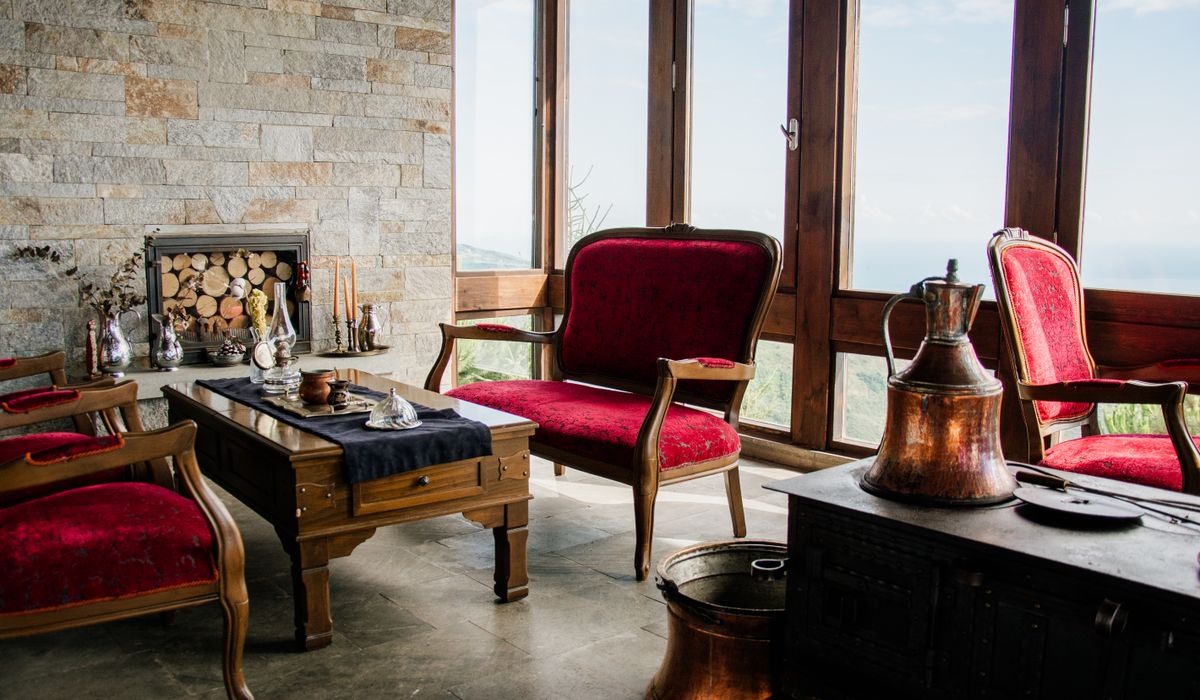
Dried flowers have a quiet, enduring beauty that suits British homes perfectly. They bring colour and shape without demanding fresh water or daily attention, and they look especially at home in small spaces where every surface counts. Whether you live in a cosy cottage, a Victorian terrace or a compact flat, a few simple DIY arrangements can add vintage charm and elegant texture to your interiors. The trick is to think in small clusters rather than large, formal displays — a few stems here, a little bunch there, each one catching the eye without overwhelming the room.
Why Dried Flowers Work So Well in British Homes
Our climate and architecture shape the way we decorate. Many British homes are small, with low ceilings, narrow windowsills and limited storage. Dried flowers suit this perfectly because they are compact, lightweight and endlessly forgiving. They do not mind a dark corner or a forgotten shelf, and they carry on looking lovely for months, sometimes years. They also tap into a deeply familiar vintage aesthetic — the pressed flowers of country cottages, the dried lavender bundles tied with ribbon, the honesty seed heads left over from summer. In a small space, a single stem in a slim bottle can do more than a large bouquet. Dried arrangements add warmth to neutral schemes, soften hard edges and bring a gentle, natural rhythm to a room without crowding it.
Choosing and Preparing Your Stems
You do not need a florist. Supermarket bunches, garden cuttings and charity shop finds all work beautifully. Good candidates include lavender, hydrangea, eucalyptus, pampas grass, bunny tails, wheat, statice, strawflower, nigella, honesty and dried roses. To dry them, tie small bunches with twine and hang them upside down in a dark, dry, well-ventilated spot for two to three weeks. Hydrangeas prefer to dry in a vase with a little water. Pampas grass can simply stand upright. Strip the lower leaves, trim the stems and store spares in a cardboard box with tissue paper. The goal is not perfection but character: slightly faded colours and curled edges are part of the charm.
Small Clusters, Big Impact: Arranging in Tiny Vessels
The most effective approach for small-space living is to group arrangements in little clusters. Choose three or five small vessels and place them together on a tray, a shelf or a mantelpiece. Vary the heights and textures: a fluffy pampas stem next to a spiky wheat head, a round seed pod beside a feathery grass. Single stems in slim bottles look elegant and modern; a small posy in a vintage tea cup feels nostalgic and soft. Keep to a restrained palette — muted greens, soft pinks, ochre, cream — so the cluster reads as one calm display rather than a jumble. Vintage containers are easy to find in charity shops: tarnished brass, chipped enamel, milk glass, old tins, glass preserving jars. Add a ribbon or a length of twine for a finishing touch.
- Windowsill trio: three old glass bottles, each holding a single stem of dried eucalyptus, lavender and bunny tails.
- Bedside posy: a vintage tea cup filled with strawflowers and nigella seed heads on a small bedside table.
- Kitchen shelf: a glass preserving jar with a handful of wheat and dried lavender, tied with jute twine.
Vintage Styling with Trays, Books and Frames
Vintage styling is less about matching sets and more about layering. Use old books as risers: stack two or three and place a tiny vase on top. A vintage tray corrals a cluster and makes it easy to move from room to room. Add a lace doily or a linen runner underneath for texture. Press small stems between glass or inside a shallow box frame to hang on the wall. A decorative plate stand can hold a small posy, and an old wooden box or crate makes a rustic base. Look for containers with patina — tarnished metal, faded enamel, worn wood — and avoid anything shiny or plastic. Mix in a candle stub, a coil of twine or an old key for a curated, collected feel. In small spaces, this kind of styling adds depth without taking up floor space.
Wall and Hanging Displays for Tight Spaces
When surface area is limited, go vertical. A simple dried flower hoop is easy to make: take a wooden embroidery hoop, tie stems to the inner ring with twine, and hang it on a picture hook. A small wreath base works the same way. You can also tie a bundle of stems with ribbon and hang it upside down on the back of a door, above a bed or in a hallway. Removable hooks are ideal for rented homes. A ladder-style shelf, a pegboard or a vintage coat rack can hold several tiny bunches, creating a living wall of dried texture. Keep the arrangements light so they do not pull on fixings, and use ribbon or macramé cord for a softer look. Avoid damp bathrooms and steamy kitchens, where stems can turn mouldy.
Caring for Your Displays and Refreshing Them
Dried flowers are low maintenance, but a little care keeps them looking their best. Dust gently with a hairdryer on a cool, low setting or a soft brush. Keep them out of direct sunlight to prevent fading, and away from radiators, damp patches and steamy rooms. Over time, rearrange your clusters. Move a small arrangement from the living room to the bedroom, or swap a vase for a jam jar. Add seasonal touches: dried orange slices and cinnamon sticks in autumn, a few dried seed heads in winter, fresh dried grasses in spring. Refresh ribbons and twine when they look tired. Store spare stems in a dry box with tissue paper, and handle brittle stems gently. With a little attention, your dried displays will bring quiet, lasting elegance to even the smallest British home.





John Doe
14 January, 2022Having no content in post should have adverse..
Chauffina Carr
10 April, 2022We use these tests all time! Killer stuff!
Jim Séchen
16 July, 2022Thanks for all the comments, everyone!