

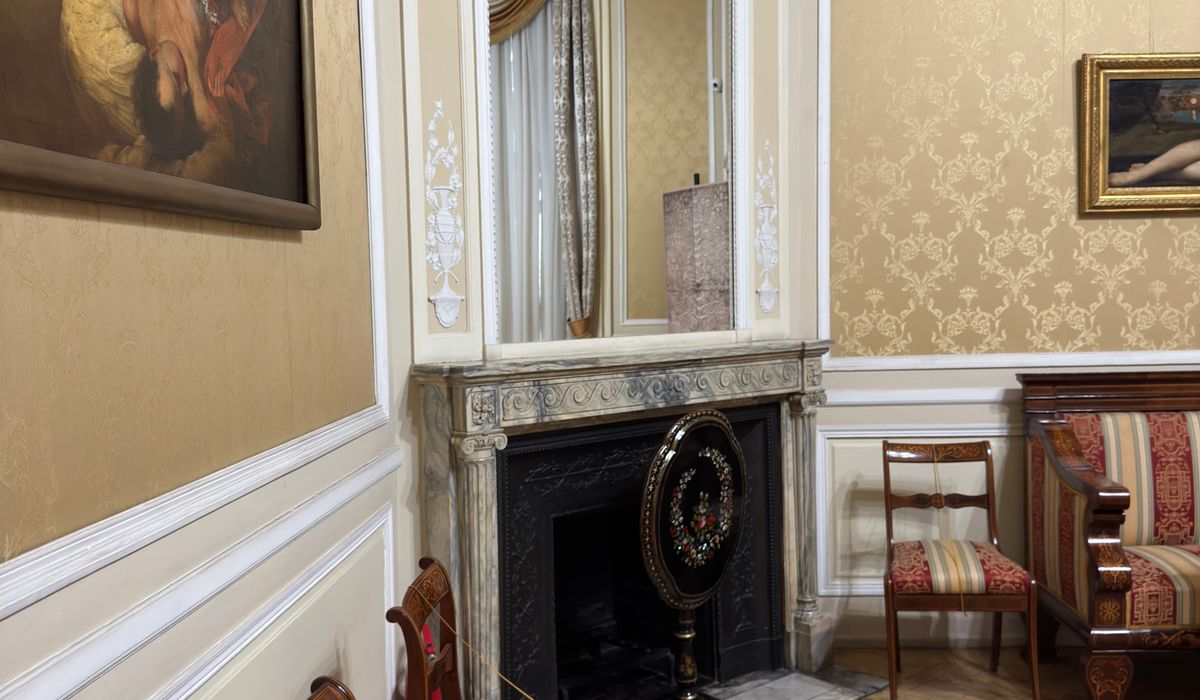
A north-facing living room can feel cool and shadowy, especially in British homes where the light often has a grey-blue cast. But you don’t need to resort to bright whites or cold greys. By layering warm neutrals with textured fabrics and soft lighting, you can create a space that feels elegant, welcoming and perfectly balanced. Here’s how to choose and combine them.
Why North-Facing Rooms Feel Cool
North light is consistent but lacks the golden warmth of south or west sun. It tends to emphasise blue and green undertones, making walls look chilly and corners feel dim. In the UK, where overcast days are common, this effect is amplified. The trick is not to fight the light with stark colours, but to introduce warmth through your neutral palette. Warm neutrals—those with yellow, pink or red undertones—absorb the cool light and reflect a gentle glow back into the room.
Choosing the Right Warm Neutrals
Not all neutrals are created equal. Cool greys and icy whites will only make a north-facing room feel colder. Instead, look for shades like oatmeal, biscuit, pale mushroom, putty and fawn. These have a subtle warmth that feels sophisticated rather than sugary. For a small space, keep the palette tonal: choose two or three closely related shades and use them across walls, woodwork and ceiling. This blurs boundaries and makes the room feel larger.
- Soft oatmeal and biscuit for main walls – they add a gentle, creamy warmth.
- Pale mushroom and putty for a touch of depth without darkness.
- Warm off-whites like chalk or antique white for ceilings and trim.
- Deeper warm neutrals such as camel or fawn for cushions, throws or an accent chair.
Always test paint patches on different walls. North light changes throughout the day, so a colour that looks warm in the morning might appear flat by evening. Matt emulsion is best for walls; use eggshell for woodwork to add a subtle sheen that catches the light.
Layering Textures for Warmth and Interest
Texture is your secret weapon. It traps light, adds cosiness and prevents a neutral scheme from feeling bland. In a small room, layer textures without adding bulk. Start with a wool or jute rug in a warm tone—it grounds the space and adds instant softness. On sofas and chairs, mix velvet, linen and boucle cushions. A chunky knit throw draped over an arm adds both warmth and visual appeal.
For windows, choose lined wool or heavy linen curtains in a warm neutral. They block draughts and create a soft frame. Avoid shiny fabrics like satin or silk, which can look cold under north light. Vintage textiles—a faded tapestry, an old Welsh blanket, an embroidered sampler—add character and a sense of history. Even a simple linen lampshade in oatmeal can transform the quality of light.
Lighting That Flatters Warm Neutrals
Artificial lighting is crucial in a north-facing room. Cool white bulbs will undo all your good work, so choose warm white bulbs between 2700K and 3000K. Layer your lighting: a ceiling fixture for general illumination, wall lights for a soft wash of light, and table lamps for pools of warmth. Dimmers are essential—they let you adjust the mood from bright and practical to cosy and intimate.
Vintage-style lamps with fabric shades work beautifully with warm neutrals. Place a table lamp on a sideboard or console to light a dark corner. A floor lamp beside an armchair creates a reading nook. Mirrors opposite the window will bounce natural light around the room, but ensure they reflect a warm surface, not a cool wall. Avoid halogen or cool LED spots; they create harsh shadows. Candles and string lights can add a final layer of softness in the evening.
Small-Space Solutions for British Homes
Many British living rooms are compact, often with awkward alcoves and low ceilings. Warm neutrals help by creating a seamless flow. Paint alcoves the same colour as the walls to make them recede. Choose furniture with slim profiles and multi-functional designs: an ottoman that stores blankets, nesting tables that tuck away, a bench with hidden shoes. A large rug makes a small room feel bigger by zoning the seating area.
Use vertical space with shelves painted in the same warm neutral, filled with books and ceramics. A slim console table behind a sofa adds surface without clutter. And don’t forget the ceiling—painting it a warm off-white rather than brilliant white softens the whole room. For vintage styling, look for a narrow mid-century sideboard, an antique mirror with a gilt frame, or a small ceramic lamp. These pieces add elegance without overwhelming a small space.
Vintage Styling with Warm Neutrals
Vintage pieces bring warmth and soul to a neutral scheme. A mid-century wooden sideboard in teak or walnut introduces a rich, warm brown that complements oatmeal and mushroom walls. Brass or copper accents—a lamp base, a door handle, a picture frame—catch the light and add a gentle glow. Ceramic vases in cream or terracotta, old stoneware jugs, and framed botanical prints all work beautifully.
Mix eras but keep the palette consistent. A Victorian chair upholstered in a warm linen can sit happily beside a 1950s floor lamp. Shop charity shops and antique fairs for one-off finds: a woven basket, a folded paisley shawl, a set of vintage books with faded spines. The key is restraint. In a small room, one statement piece per surface is enough. Let the textures and patina do the talking, and your north-facing living room will feel like a warm, elegant retreat.





John Doe
14 January, 2022Having no content in post should have adverse..
Chauffina Carr
10 April, 2022We use these tests all time! Killer stuff!
Jim Séchen
16 July, 2022Thanks for all the comments, everyone!