

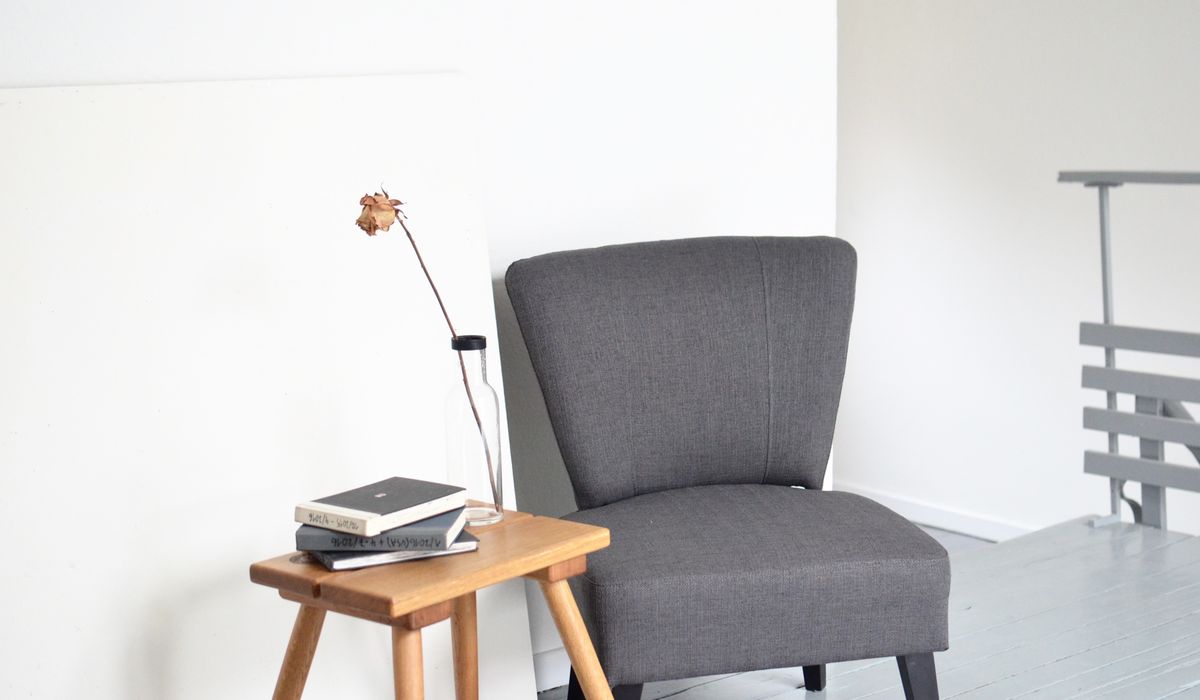
Start with the Soft Furnishings Swap
The gentlest way to move a room from summer into autumn is to change what you touch first. Begin with the fabrics: gather up the pale linen and slubby cotton cushion covers, the thin cotton throw that spent July on the sofa arm, and the lightweight bedspread folded at the foot of the bed. Wash them, let them dry properly, then store them in labelled cotton bags with a few cedar blocks or lavender sachets tucked inside. You will not need them until April, and putting them away tidily means next spring feels like a gift rather than a chore.
Now bring in the weight. A lambswool or brushed cotton throw at roughly 130 x 180cm is the single most useful purchase of the season, folded over a sofa arm or the end of a bed. Swap cotton cushion covers for wool, needlecord or velvet in the same sizes so you are only changing the covers, not the pads. On the bed, trade crisp 200-thread-count cotton for brushed cotton or flannel, or simply layer a wool blanket between the sheet and the duvet. Keep one or two linen pieces in the mix for contrast, otherwise the room can start to feel heavy before the clocks even change.
Deepen the Colour Palette a Shade at a Time
You do not need to redecorate. Autumn colour is best introduced in small, deliberate amounts, so the shift reads as a mood rather than a theme. Pick one anchor shade — burnt orange, ochre, rust, olive or a deep berry — and let it appear in roughly ten to fifteen per cent of the room. Three cushions, a lampshade, a length of velvet ribbon on a curtain tieback, or a single piece of framed artwork can be enough.
- Cushions: two in your anchor colour, one in a textured neutral to stop it shouting.
- Lampshades: a warm ochre or taupe shade changes the whole tone of a lamp for very little money.
- Table linen: a rust or olive runner over a pale cloth bridges the seasons beautifully.
In smaller rooms, do not fear deeper colours — just keep the ceiling and woodwork light and choose matte finishes over gloss so the walls absorb the low light rather than reflecting it harshly. If you rent, or you simply are not ready to commit, textiles will do all the work paint would have done.
Let the Light Do the Work
Autumn light arrives low and golden, and amber glass is made for it. A cluster of amber bottles, a carafe, a small vase or a set of votives on a windowsill will catch the afternoon sun and throw warm colour across the room. Charity shops and car boot sales are full of them, so you can build a collection for a few pounds.
Then look at your bulbs. Swap any cool white bulbs for warm white at around 2700K, and use dimmable ones wherever you can. Build three points of light in each room rather than one overhead: a floor lamp, a table lamp and a candle or two. A strand of warm fairy lights in a large glass jar makes a lovely, inexpensive bedside light. Always keep candles away from curtains, throws and anything else that could catch, and never leave them burning unattended.
Small Spaces, Big Shifts
In a flat or a terrace with no loft, seasonal storage has to be clever. Vacuum bags under the bed will swallow a summer duvet and four cushions in minutes. An ottoman storage bench earns its place twice over, holding out-of-season bedding by day and acting as a coffee table or extra seat by evening. The rule is one in, one out: for every wool throw that arrives, something leaves the room.
Layering is your other ally. A jute or wool rug placed over a larger, plainer rug adds warmth underfoot and makes a small sitting area feel properly defined. A well-placed mirror opposite a window doubles the low autumn light. And keep the floor as clear as you reasonably can — in a compact room, visible floor space is what makes it feel calm rather than cramped.
Add Natural Texture and Finishing Touches
This is the part that makes a home feel settled rather than simply redecorated. Bring in dried stems — hydrangea heads, wheat, seed pods, eucalyptus, honesty from the garden — in a simple stoneware jug. A shallow dish of conkers or crab apples on a hall table costs nothing and looks wonderful. Baskets, wicker trays, wooden bowls and a little brass or aged metal all sit happily alongside vintage finds.
Finish with scent and sound. A simmering pan of orange peel, cinnamon and star anise will scent a whole flat in twenty minutes, and amber, fig or cedar candles suit the season better than anything floral. If you have a record player, dig out something warmer and slower. These small sensory cues do more for the atmosphere than any amount of shopping.
Take It Slowly, Over a Fortnight
Resist the urge to do everything in one weekend. Give yourself a fortnight and the change will feel natural.
- Weekend one: wash and store summer linens, bring out the wool throws and heavier bedding.
- Weekend two: introduce your anchor colour, change a lampshade, and switch to warm bulbs.
- Midweek moments: add one small thing each day — a candle, a dish of conkers, a foraged stem in a jug.
Finally, keep a note of what worked. Seasonal styling is not about buying a new home four times a year; it is about knowing which throw, which shade and which corner of your flat makes you want to stay in on a wet Tuesday. Once you have learned that, autumn becomes something to look forward to rather than something to brace against.






John Doe
14 January, 2022Having no content in post should have adverse..
Chauffina Carr
10 April, 2022We use these tests all time! Killer stuff!
Jim Séchen
16 July, 2022Thanks for all the comments, everyone!